


Joe Smolarski, who’s been CEO of security vendor WatchGuard since last November, regrets nothing about the years he spent at Kaseya before that. On the other hand, it sure does sound like he was ready for a change.
“After nearly a decade at Kaseya as president and COO and running the majority of that company, WatchGuard’s been a breath of fresh air,” he says. “I’m six months in and I’ve had zero escalations hit my plate in terms of product quality. Zero. I used to get them every six minutes at my former company.” Partner complaints have been pretty rare too so far.
“That’s not a luxury I had in the past,” Smolarski says. “I was constantly battling friction, friction, friction.”
The new battle he’s fighting is overcoming outdated perceptions of WatchGuard among current and potential partners more familiar with the company’s name than with its multi-year expansion beyond its roots in network security.
“We have a challenge of making sure that the rising MSP community knows who WatchGuard is and knows that we’re not just the company from 30 years ago with a firewall, that we have a complete cybersecurity platform,” Smolarski says.
And not a new one either. WatchGuard has been assembling the pieces of its platform since at least 2017 through acquisitions of companies like MFA vendor Datablink, DNS security vendor Percipient Networks, endpoint protection vendor Panda Security, and MDR vendor ActZero, not to mention cloud application security vendor Perimeters.io earlier this week.
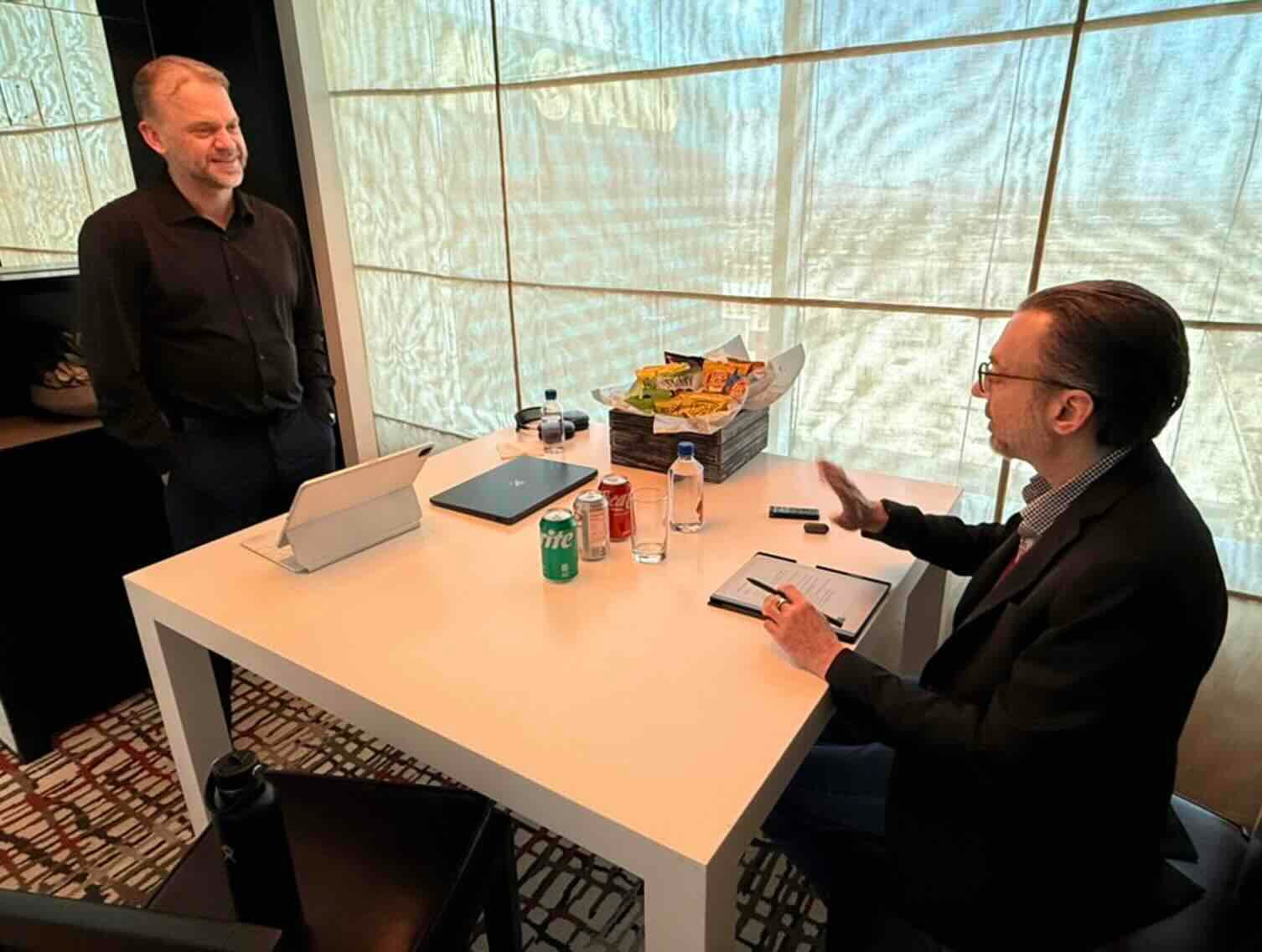
“Our firewalls protect almost 900,000 networks in the world, which is amazing,” Smolarski (pictured) says, “but we’re also protecting 10 million endpoints with our EDR endpoint solution. We also have an agentic SOC that is growing 300% year over year that’s just doing phenomenal things with a six-minute response time.”
Now the company just needs to make MSPs aware of all that, he continues, along with the differentiating attributes that he believes set WatchGuard apart in a field crowded with security platforms. Those, in his view, include the vendor’s long, stable track record. There are younger, flashier brands in the industry, Smolarski concedes without naming names, but many are burning through venture capital and others will be swallowed up eventually by private equity or a bigger peer.
“We’ve been around for 30 years and we’ll be around for another 30 years,” he declares, adding that the company has sold exclusively through partners across that entire span.
“We’re 100% dedicated to the MSP space,” Smolarski says, drawing a contrast between WatchGuard and competitors that also sell direct to big businesses. “They start to prioritize enterprise over the MSPs, and MSPs will always lose.”
WatchGuard solutions are priced for SMBs rather than enterprise buyers too, he adds, noting that the company introduced an affordably priced endpoint security offering just before he stepped into his new job and a new endpoint detection and response licensing model aimed at further lowering cost barriers last month.
“We’re affordable,” Smolarski says. “Sometimes people are afraid to say that, but I think in the MSP space that remains a critical component.” Mostly because high prices can discourage small businesses from buying products they need to stay safe but won’t stop them from blaming their MSP when the inevitable happens.
“If you’re an MSP and your end clients are rejecting your platinum packages and the necessary level of cybersecurity, whether you like it or not, they’re still going to hold you accountable if an event occurs,” Smolarski notes.
Last but not least and in contrast with companies like Kaseya, Smolarski adds, WatchGuard’s platform is dedicated solely to security.
“I don’t believe that you can be best in class in every single category under the sun,” he says. “You’ve got to choose what you are, a jack of all trades and a master of none or an expert in one particular area.”
There is one thing WatchGuard and Kaseya have in common, though: a newly introduced AI platform. WatchGuard’s, unveiled Wednesday and inspired by the dominant color in the company’s brand, is called Rai, as in red AI.
“We’re famous for red,” says Smolarski, noting that RAI isn’t so much new tech as a new name for existing tech that no one knew was there.
“We have great AI embedded in our platform, but it’s not visible,” Smolarski says. “People don’t see it.” Launching Rai is designed to get WatchGuard credit for functionality it’s been embedding across its portfolio for years.
And it matters that Rai is embedded too, in Smolarski’s view. “It’s built into the core of our SOC, it’s built into the core of our endpoint solution, and we have it throughout the firewall,” he says. “You could always bolt something on and get some value-add there, but it’s different when it’s built into the core.”
If that bit about built-in being superior to bolted-on sounds familiar, it’s because Kaseya CEO Rania Succar said the same thing about that company’s embedded AI platform, Kaseya Intelligence, during the vendor’s recent Kaseya Connect event, shortly before telling Channelholic that leaning harder into security solutions is a core part of her near-term growth strategy. Are Smolarski and his former boss on a collision course for security mind and market share?
Not as far as he’s concerned, anyway.
“It’s an area where there’s plenty for all of us to get,” Smolarski says of the security market. “It just depends on what you’re trying to accomplish.”