



I recently shared some theories as to why partner satisfaction with vendors has been slipping recently, and especially in the last year. One was that companies juggling 2.8 business models like MSP, reseller, and developer on average, according to IDC, dislike partner programs tuned to just one of those identities. Another was that partners notice when vendors replace human relationships with AI ones, and resent it.
Two recent conversations with channel chiefs at major security vendors have added some nuance to the picture.
Yes, says Michelle Hodges, SVP of global channels and alliances at Barracuda, most partners make money multiple ways these days, and Barracuda’s Partner Success Program recognizes it. “We don’t say this is a reseller and this is an MSP,” she notes. “We view them as a single entity.”
But not without variation. Partners want different things from vendors when they’re wearing their MSP hat than when they’re wearing their reseller hat, just as their salespeople need different things from those vendors than their technicians do. The partner program Barracuda modernized in March and updated last month reflects that fact by embedding resources for multiple user “personas.”
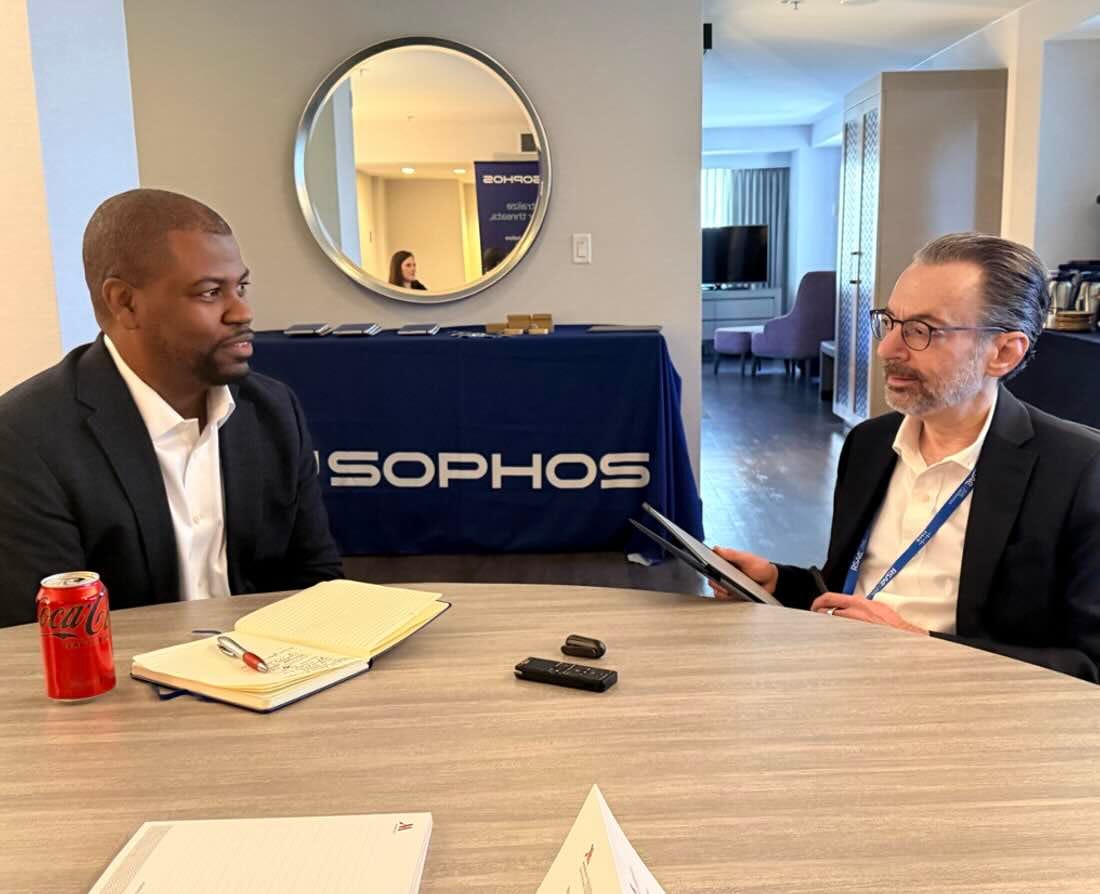
So does the program Sophos introduced last summer to support its 25,000 hugely varied global partners. “The way you enable an MSP looks very different than the way you enable a reseller, and the way you enable a very large partner like a CDW looks very different than the way you enable a smaller partner,” Sophos SVP & GM of global partner ecosystem and corporate development Chris Bell (pictured) says, “so we do much more persona segmentation than we used to.”
Barracuda emphasizes differentiation not just in how it interacts with partners, moreover, but in how it markets them to end users as well. The newest iteration of its certification program features a deeper set of technical and sales badges that will help members distinguish themselves from similar peers and inform how a forthcoming partner locator tool farms out sales leads.
“That partner locator can really help customers and salespeople find the right partner for the right task in the right location, right vertical, etc.,” Hodges says.
Bell, meanwhile, pushes back a little on the idea that partners want more contact from a vendor’s people and less from their agents.
“Actually, what we hear is, ‘I want to hear less from you. I want more self-service tools. I want to be able to leverage AI to do more things on my own,’” he says. “We’re trying to put more control in our partners’ hands because that’s what they’re telling us.”
So is Barracuda, which plans to extend Bailey, the omnipresent AI assistant on the company’s website, to its partner portal as well. The results, according to Hodges, will be faster answers to basic questions and more time for the deeper business conversations that she, Bell, and the experts I consulted for my recent vendor sat story all say partners want more of.
“We get a chance to talk to 5,500 MSPs,” Hodges notes. “What do we know? What are we learning? Where do we see growth opportunities?” That kind of thought leadership and innovation advice more than anything else, she contends, is the remedy to vendor and partner program satisfaction issues.