



Like Neo Agent, IgnitHQ is seeing a mindshift move toward trust in AI too.
“We have AI doing a lot more than I thought it was going to be doing,” says founder and CEO Yaron Baitch. And not because Duke, the young MSP platform maker’s AI engine, is proving more capable than he expected but because users are proving more willing to let it process tickets on its own start to finish than he expected.
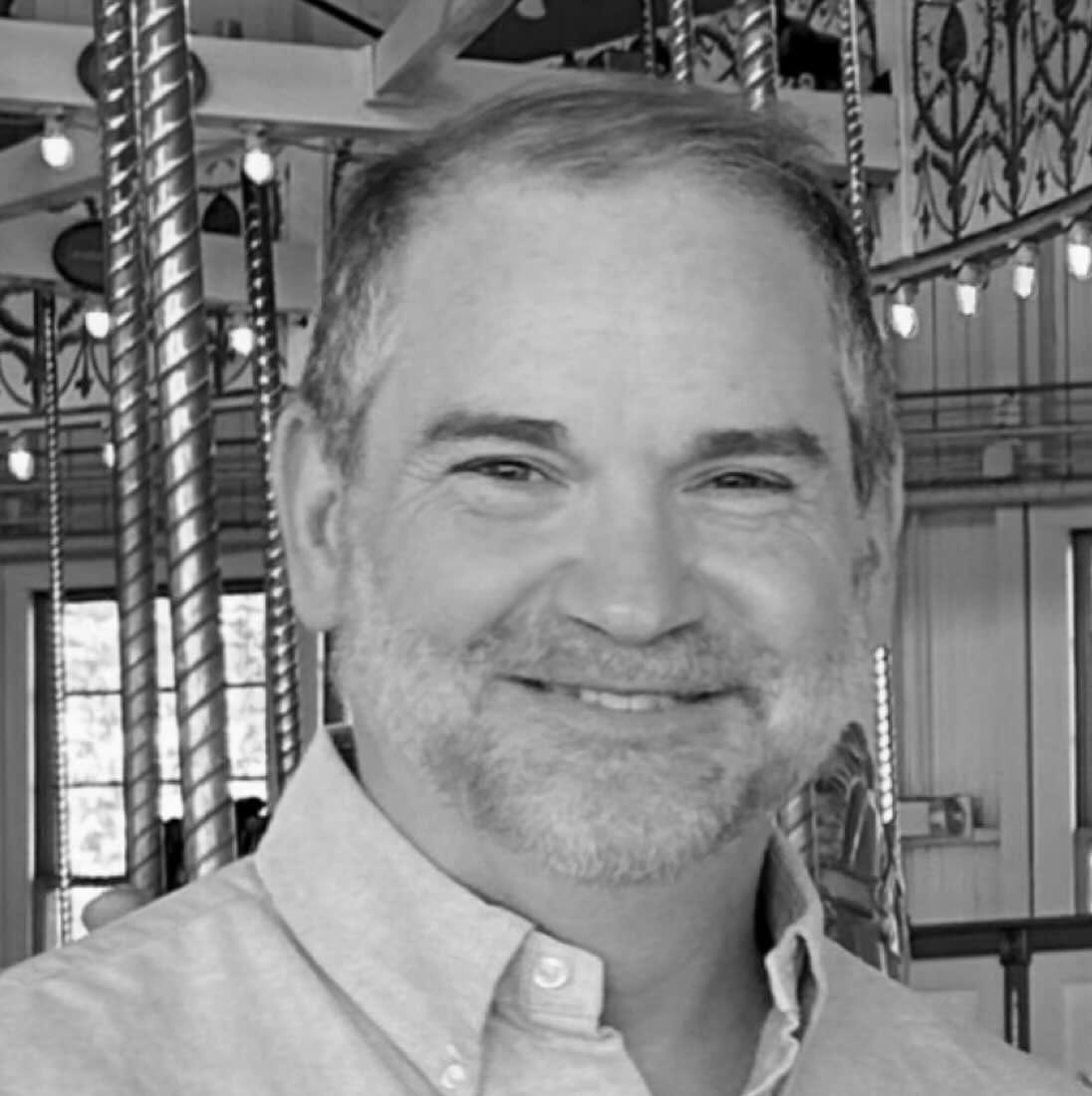
“We are seeing a very large percentage of tickets that would have been touched by a human that are not being touched by a human,” Baitch (pictured) says.
I first profiled IgnitHQ in June, weeks after it began shipping its all-new, AI-native, and surprisingly extensive managed services line-of-business suite. A little over 20 MSPs have migrated to the new platform since then, and another 25 or so are in the process of joining them. Collectively, those partners have processed some 10 million tickets so far, autonomously much of the time.
“Don’t quote me on an exact number, but we’re seeing a very large percentage of tickets that would have been touched by a human not being touched by a human,” Baitch says, adding that it typically takes a little while for MSPs to reach that stage.
“Generally, after about a month of really active, heavy usage with somebody watching, they start to trust it more and more,” Baitch says. So far small and midsize MSPs are more apt than others to develop that trust.
“Which I love to see, because now they’re able to compete in the market against bigger ones,” Baitch says. “They can go after bigger projects without having to increase headcount and still be able to get better results from their ticketing.”
At present, only about a quarter of IgnitHQ’s partners are letting Duke close tickets, when it can, without technician involvement. Another 50% won’t let Duke do anything meaningful without human-in-the-loop approval, and a final 25% pretty much insist on doing everything themselves.
“They still don’t trust AI,” Baitch says. Some of them, he predicts, never will. “There are going to be some that are always the holdouts.”