



Veterans of the channel and long-time Channelholic readers, along with ConnectWise, TD SYNNEX, and many others, know that community is more than just a feel-good concept in managed services. It’s a critical growth engine that has helped newcomers launch businesses and veterans grow them for more than 20 years.
It’s also, however, a somewhat vague term, as three conversations concerning four very different organizations (all of which are, in one sense or another, communities) have made clear in recent weeks.
Let’s start with two of those organizations, GTIA and the ASCII Group, which GTIA recently acquired. Both are communities, but in different ways to different degrees and at different scales. GTIA, though it maintains global member communities, is an industry trade association with its finger in things like regulatory and standards initiatives.
“We are industry advocates. We invest at the industry level,” says Nancy Hammervik (pictured), GTIA’s chief channel officer. “We’re identifying trends. We’re trying to help the industry manage challenges.” The ASCII Group, on the other hand, focuses on individuals.
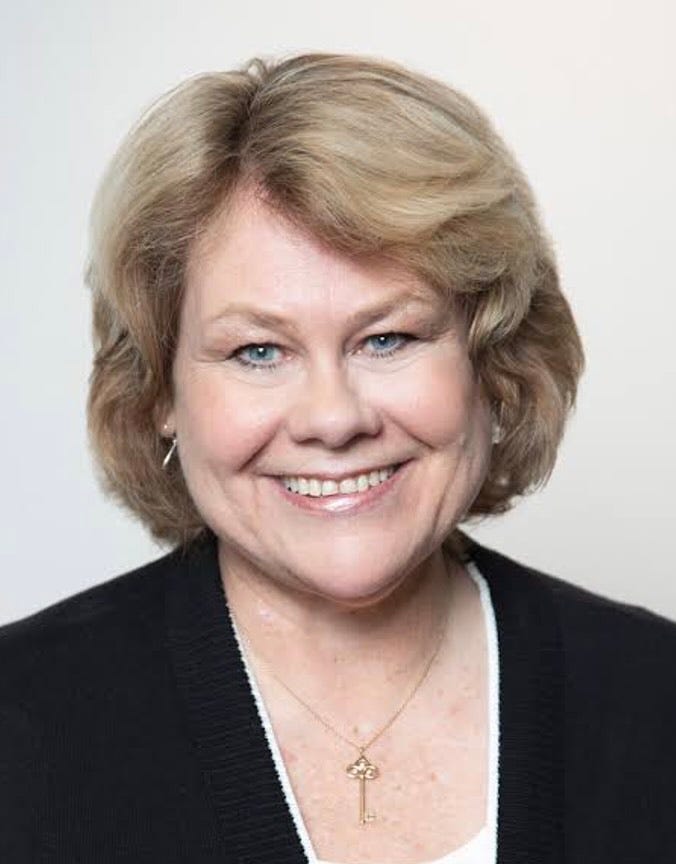
“The intent is to help the individual member grow,” Hammervik says. Put differently, she continues, GTIA serves the channel top down while ASCII serves it bottom up. Everyone benefits, in Hammervik’s view, where the two meet in the middle.
For ASCII Group members, the biggest of those benefits are financial, beginning with lower membership fees and extending from there. “We have a marketing team. We have an operations team. We have an education team. We have a research team,” Hammervik says, all of which ASCII has long wanted but couldn’t previously afford. “Now they’ll have more opportunity to do those things and add more value to their members.”
GTIA, meanwhile, now has more members to serve. One third more, to be precise. According to Hammervik, buying ASCII grew GTIA enrollment from 3,000 to 4,000 overnight.
“Our mission is to connect every member of the channel with the resources and the people that they need to advance their careers or their businesses,” Hammervik says. “The acquisition of ASCII helps to expand our footprint in how many practitioners we’re actually helping and how many practitioners we can represent and be advocates for and engage with to drive the industry forward.”
Most ASCII members are comfortable being part of GTIA so far, according to Hammervik. But not all.
“Some people may be a little bit skeptical and taking a wait and see approach,” she says. Here are a few things GTIA is telling them:
1. Almost everything you like about ASCII is staying just the way it is. “Our intention right now is to do no harm, leave everything intact, and continue to operate ASCII as it was,” Hammervik says. “All of the programs, all of the events, all of the resources that they offer are going to continue.”
Former ASCII CEO Jerry Koutavas (last seen here in Channelholic a few months ago) will continue to lead the group, she adds, reporting to MJ Shoer, GTIA’s chief community officer.
2. ASCII’s buying consortium is sticking around too. One of the big differences between what community means to ASCII and what it means to GTIA is that ASCII’s definition since the late Alan Weinberger helped found the group 42 years ago has included leveraging collective bargaining power to secure reduced pricing on software and hardware. That will remain true going forward, according to Hammervik, and apply to the same vendors as before, whether or not they’re GTIA members.
3. Every ASCII member gets a GTIA membership too now at no extra cost. Every GTIA member can join ASCII as well for a discounted fee. Except vendor members, that is.
“We’re going to protect that ASCII is practitioner only,” Hammervik says.
4. ASCII will remain independent. Or rather, quasi-independent, just like GTIA’s regional member communities. “Nobody’s really independent,” Hammervik says, but everyone has a voice in shaping the association’s shared priorities. ASCII will be no different.
“They will still have their advisory committee that they always had, the same individuals. Two of them will now sit on the GTIA Global Leadership Committee,” says Hammervik, who spent part of last week listening to and reassuring members at the group’s first post-acquisition event in Chicago.
“Our intent is to take good care of them,” she says.