


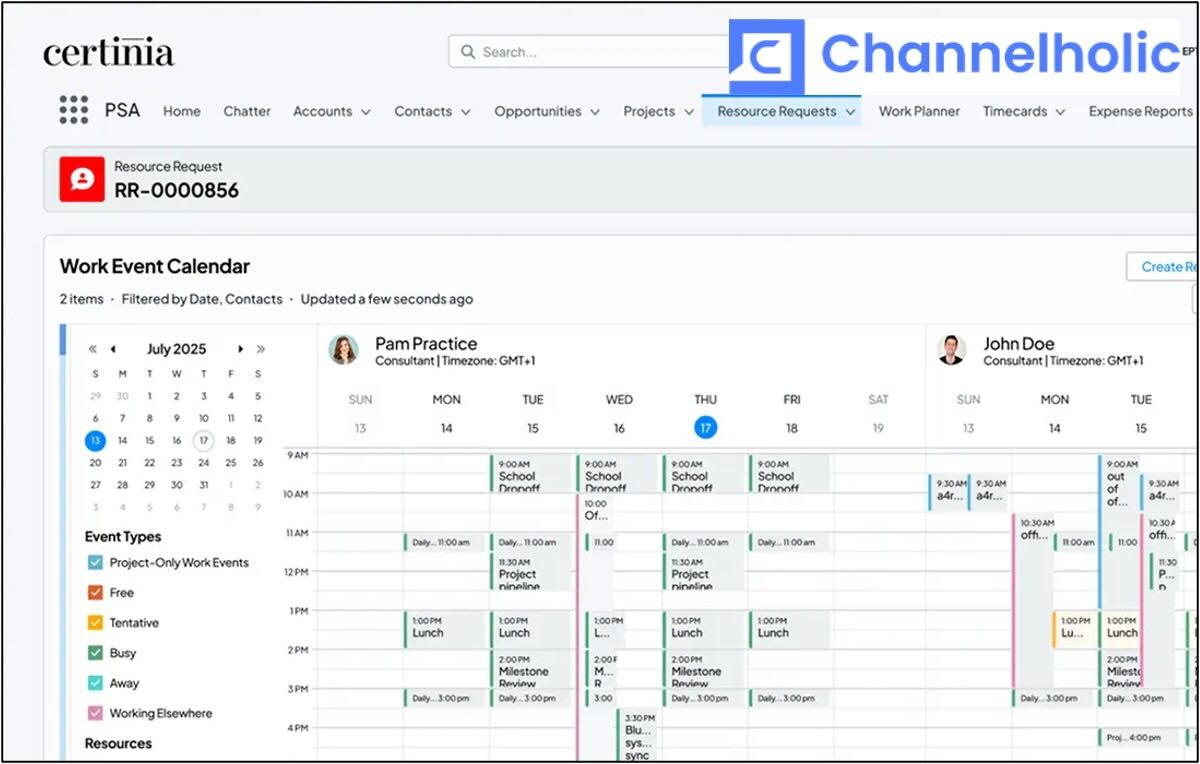
Officially, Certinia makes a PSA solution. Just don’t let Prasad Narasimhan Sulur catch you saying as much.
“I don’t love the way the market defines the word,” or at least the way MSPs do, says Sulur, formerly a senior partner at Bain & Co. and now Certinia’s chief business officer as of about a month ago. PSA solutions like ConnectWise PSA and Datto Autotask help MSPs manage their help desk. Solutions like Certinia’s help a wider range of IT services organizations manage projects.
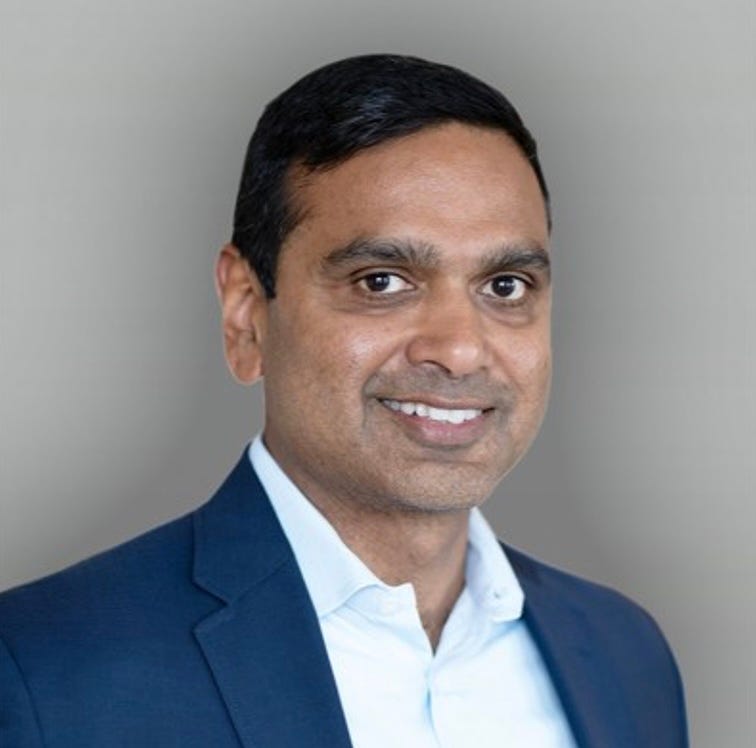
“It’s actually two completely different markets,” Sulur (pictured) says, and conflating them can leave MSPs thinking they don’t need a solution like Certinia’s. Which they probably do, I’d argue, if they intend to become one of those next-generation MSPs Omdia’s Robin Ody speaks of.
Sulur understands managed service providers, PSA solutions, and Kaseya for that matter, better than most C-suite executives at enterprise software makers, as regular readers discovered last October when he spoke with Channelholic about agentic AI pricing models following an onstage appearance at Kaseya’s 2025 DattoCon event in Miami. But MSPs are at best a small portion of the market he’s targeting, which is IT service providers with a lot of complex work to do delivering projects.
“They have to create the opportunity. They have to staff the opportunity. They have to make sure the project is progressing the right way,” Sulur says. Then there’s billing, revenue forecasting, and much more. Certinia’s solution, he continues, uses AI to simplify all that and transform the services business in the process.
“If you use AI correctly, the same project that used to cost a million dollars might cost $500,000 or $200,000,” Sulur says, allowing you to charge less, make more, or both. You can also complete projects faster, he adds, noting that one Certinia user went from executing 30 projects a month to 300.
On the other hand, delivering services at those prices and velocity poses challenges of its own. “Your revenue and billing model changes,” Sulur says, “and your cost profile changes. You have human people who previously used to do time and expense. You have AI costs coming in. You have software platform costs coming in. You have data costs.”
Helping service providers manage all of that, along with the resources, expenses, timelines, milestones, and more associated with the projects themselves, at scale and high speed, is what Certinia’s software is designed to do. You’ll be hard-pressed to find other enterprise applications similarly tailored to the things services organizations struggle with, Sulur adds.
“CRM is built for product-oriented companies,” he says. “ERPs are built for product-oriented companies.”
And PSA solutions, one might add, are built for ticket-oriented companies. Yet as Omdia just helped us appreciate, closing tickets is heavily commoditized, low-growth, low-margin work. AI and cybersecurity projects are among the next-generation services MSPs looking to escape that trap must provide, and they’ll need a different kind of platform to do it.
Rocketlane has such a platform as of a few days ago. Moovila, a company I’ve written about before, is in that category too and focuses specifically on MSPs. Sulur, for obvious reasons, encourages anyone serious about collecting the productivity benefits of AI management functionality and the money-making benefits of AI project work to take a look at Certinia’s solution instead.
“MSPs have to be very forward-thinking on this topic,” he says.