

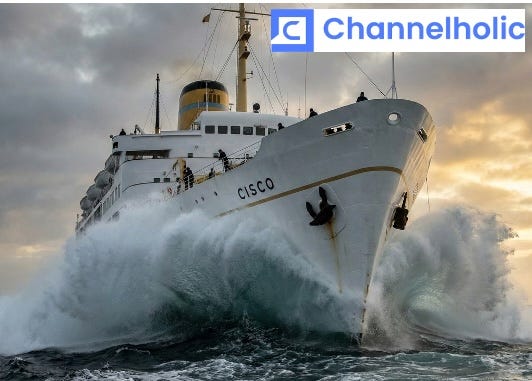
Turning an ocean liner, per a familiar metaphor, is a long, slow process, and in tech industry terms Cisco is a very big ocean liner. Bigger than ever, in fact, as far as market cap goes.
So it comes as no surprise to me at least that steering the company toward managed services has taken some time. I caught my first glimpse of that process in 2022 when an executive outlined a series of investments the company was making in its MSP partners to capitalize on what it projected would be a $113 billion TAM by 2025. And I noticed a decided change in direction some 17 months later when CEO Chuck Robbins spent precious main stage time at the 2023 Cisco Partner Summit declaring managed services “a huge opportunity” worth a potential $161 billion to the company by 2027.
I knew for sure that the course change was all but complete a few days ago, however, when I interviewed Tim Coogan, Cisco’s channel chief since August, and Elisabeth De Dobbeleer, the SVP in charge of Cisco’s partner program, for an episode of the podcast I co-host.
The main topic of conversation, naturally, was Cisco 360, the next-gen partner program Cisco will put officially and entirely into effect on January 25th. A lot about that offering is new, and this is not the place to get into the details about that. What stands out about Cisco 360 to me, however, is that the many changes incorporated in the program build off of what the company says are three design principles: lifecycle value creation, ecosystem power, and—yes—managed services. According to Coogan, the last of those made the list of core priorities in response first and foremost to customer input versus giant TAM numbers.
“More and more we hear from customers that they want to buy things differently,” he says. Five years ago, he explains, end users were content to purchase a switch or a firewall. “Well, they don’t want to buy a switch or a firewall now. They want to buy a solution that supports secure AI infrastructure.”
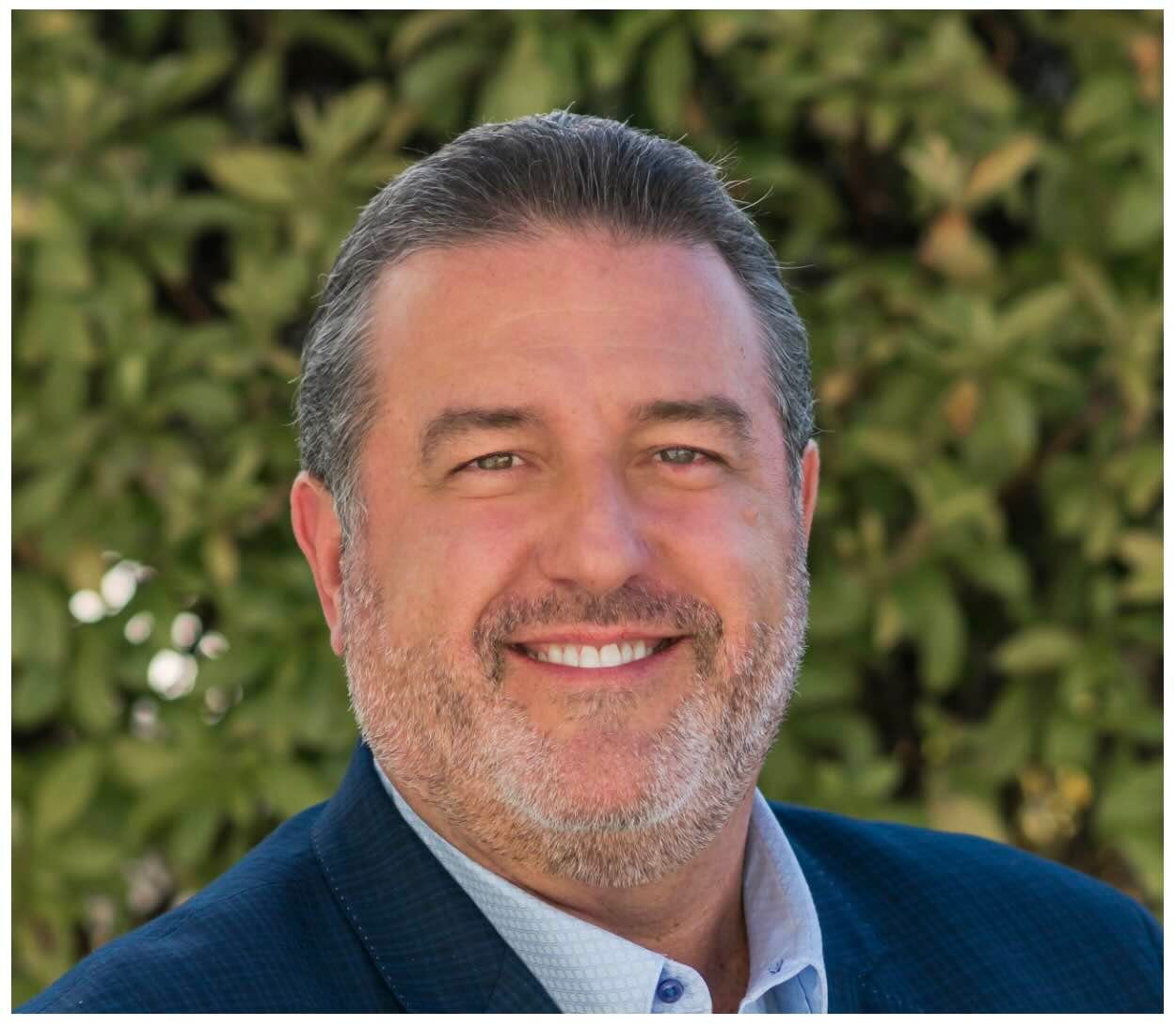
That requires a lifecycle’s worth of contributions from an ecosystem of partners before, during, and after the sale. Especially, Coogan (pictured) emphasizes, after.
“We apply too much of the value that we bring to our customers to the sale,” he says. “That’s not where we deliver value. Value comes from using what we’ve sold.”
And no one’s better at helping customers realize that value, De Dobbeleer adds, than MSPs. “[We’re] very excited about the opportunity with managed services because that precisely drives more customer value, more stickiness, and hence profitable and durable growth as well,” she says.
That’s not a recent realization, De Dobbeleer continues. Cisco began designing Cisco 360 some 18 months ago. “We made a very deliberate decision to embed the MSP motion in the program.”
But not just the partner program, Coogan insists. Early in the turn toward managed services, he notes, Cisco looked for targeted opportunities to accommodate managed offerings.
“I think the posture that we have now is different,” Coogan says. “Quite honestly, I don’t know that I see any part of the portfolio that isn’t a part of the managed service conversation over time.”
Should that require future course shifts, De Dobbeleer promises, partners can expect to see them incorporated in Cisco 360 quickly, no matter how big a ship Cisco becomes.
“The world changes so fast that whatever you do, it needs to build in enough flexibility so that you can keep adjusting and keep iterating and keep improving, because whatever you do will have to be adjusted,” she says.
Listen to the whole thing for yourself
The podcast episode with Coogan and De Dobbeleer is available here. More interviews with industry thought leaders and decision makers can be found here. Become a subscriber, and we’ll tell you about the latest one as soon as it drops.
